


SVG primitives
Compose circles, paths, text, groups, gradients, masks, and animation directly from Python.

Python to precise SVG
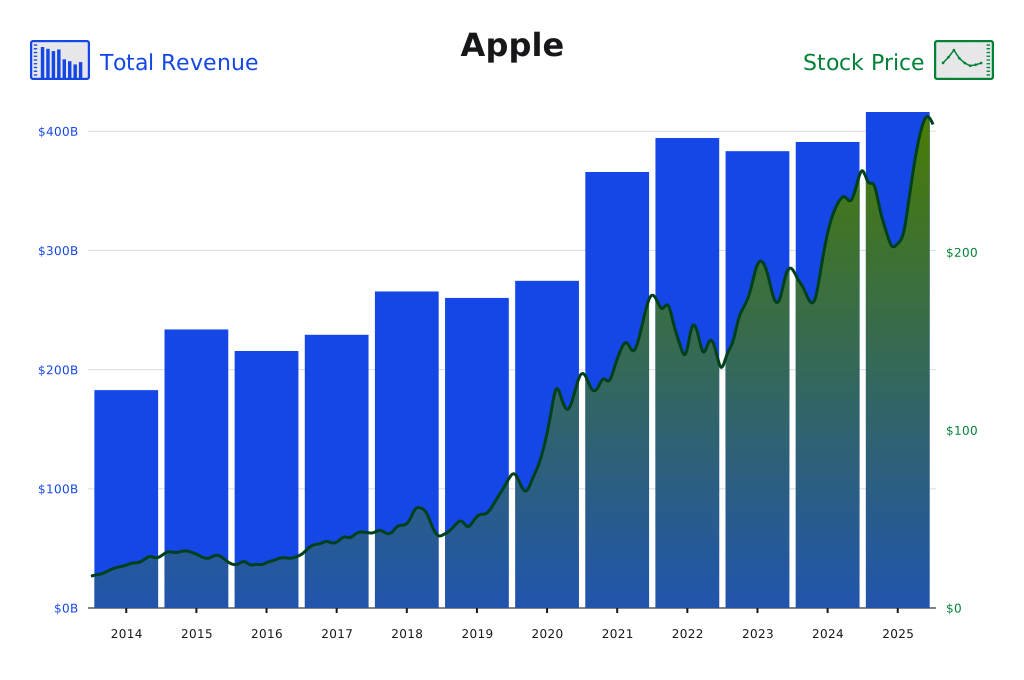
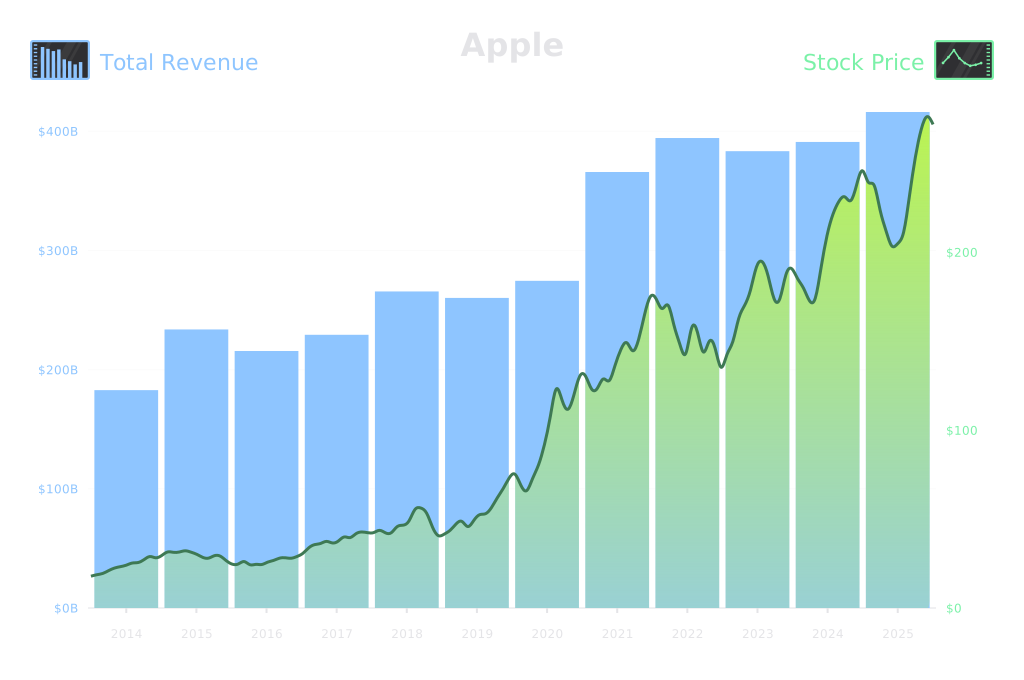
pyDreamplet gives you composable SVG elements, scales, generators, and creative helpers for custom visualizations that need more control than a charting preset.
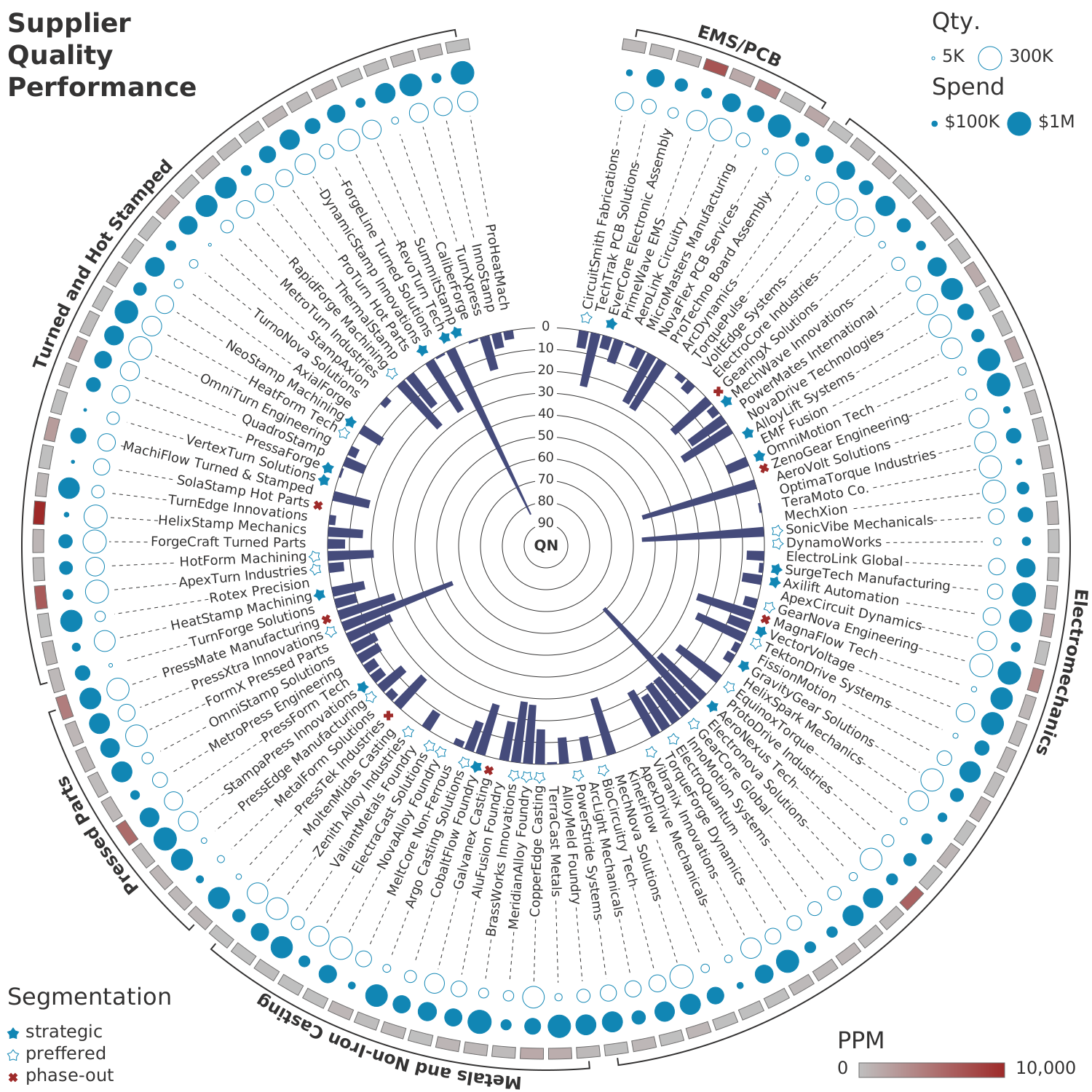
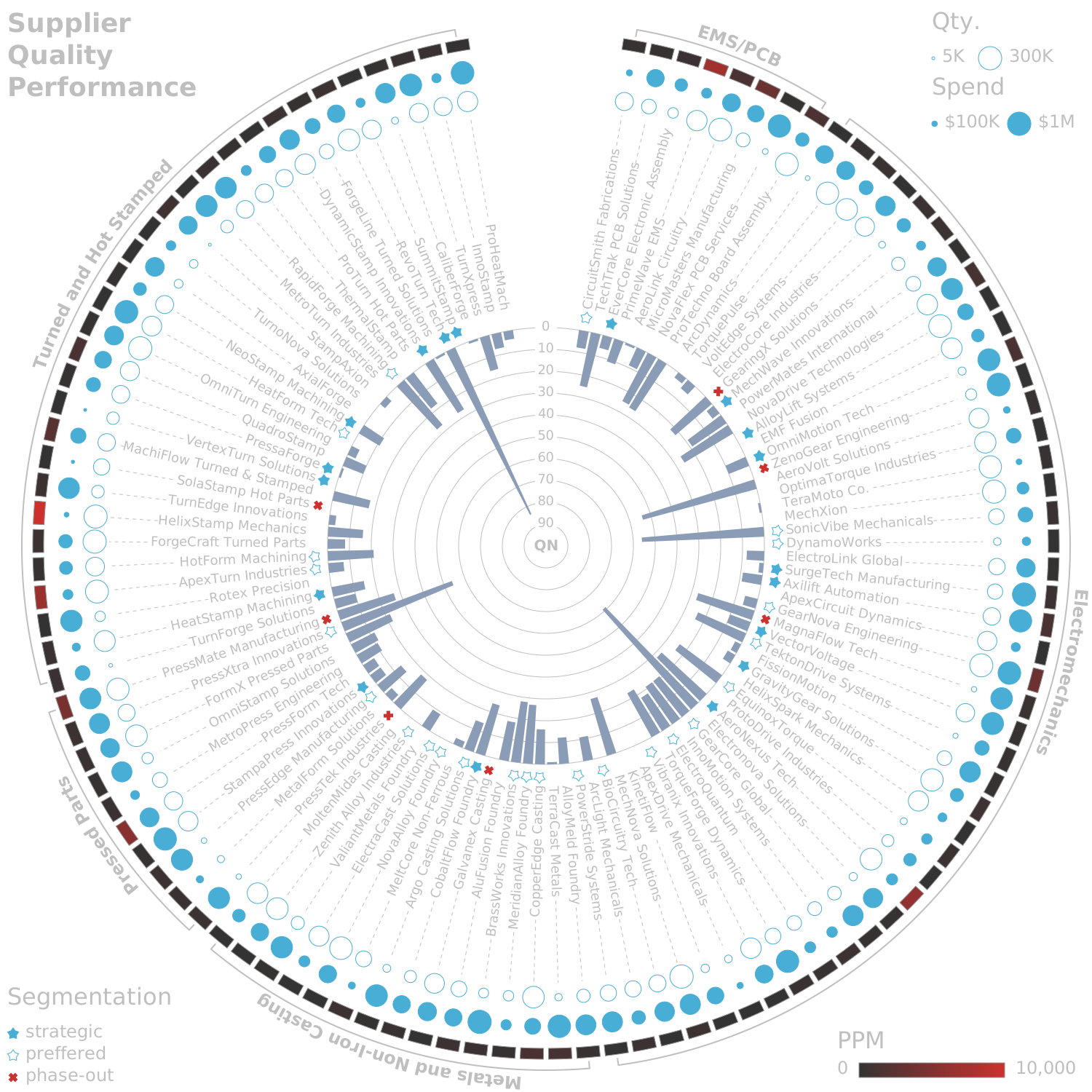
Supplier performance chart
A dense SVG dashboard-style chart generated from Python.
Gallery
Explore data visualizations and generative graphics, then open the complete source code behind each project.
Compose circles, paths, text, groups, gradients, masks, and animation directly from Python.
Use scales and generators to turn values into visual structure without hiding the SVG model.
Save clean SVG files from scripts or display work inline while exploring ideas in notebooks.
Python visualization toolkit
pyDreamplet is designed for developers, analysts, designers, and creative coders who want direct control over SVG geometry while staying in Python.
Create charts that need custom annotations, unusual geometry, precise labels, reusable markers, and SVG output that remains editable after export.
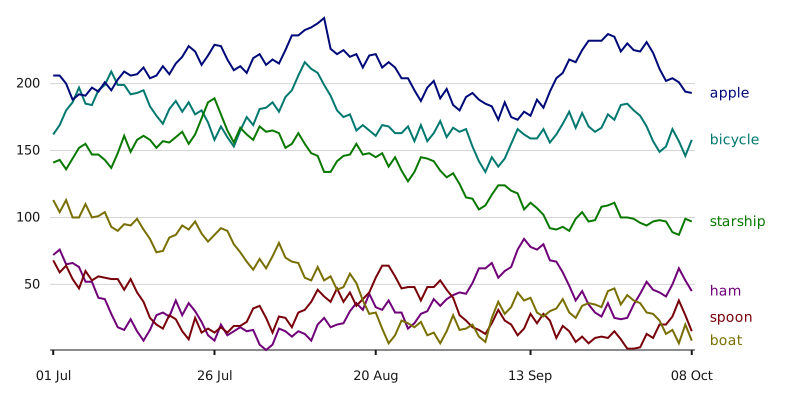
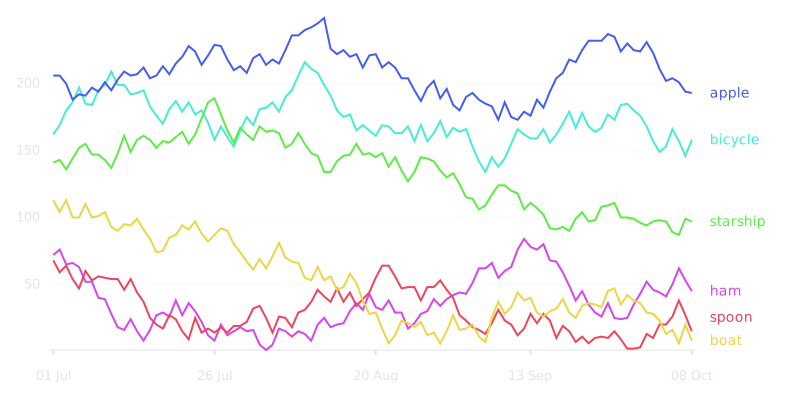
Build a line chartGenerate procedural layouts, organic shapes, noise-driven points, radial compositions, and layered SVG artwork from repeatable Python scripts.
Explore layered SVG artUse Python to produce consistent technical illustrations, diagrams, reports, notebook visuals, and publication-ready vector assets.
Browse the APIUse high-level helpers when they fit, then drop down to SVG primitives whenever you need exact geometry, styling, or export behavior.
Yes. pyDreamplet includes scales, path generators, shape helpers, markers, text tools, and low-level SVG access for charts that need more control than a preset charting library.
Yes. It includes point generators, noise helpers, organic shape helpers, SVG paths, gradients, masks, and animation primitives for procedural and generative graphics.
Yes. pyDreamplet writes standard SVG markup, so generated graphics can be edited, embedded, versioned, or used in documentation and publishing workflows.